
USRESISTNEWSUnderstanding Public Policy and Taking Action

Keeping Democracy Alive

2026 Democratic Primary Preview Series
Profiles of Democratic candidates in 2026 state congressional elections.
Alabama (2026 Democratic Primary Preview Series Brief #1)
Alaska (2026 Democratic Primary Preview Series Brief #2)

Arkansas (2026 Democratic Primary Preview Series)

Arizona (2026 Democratic Primary Preview Series Brief #3)

Colorado (2026 Democratic Primary Preview Series Brief #6)

Connecticut (2026 Democratic Primary Preview Series Brief #5)

Delaware (2026 Democratic Primary Preview Series Brief #7)

Hawaii (2026 Democratic Primary Preview Series Brief #8)

Georgia (2026 Democratic Primary Preview Series)
Georgia is set to be one of the biggest battleground states in 2026, with one senator, Democrat Jon Ossoff, up for election.

Iowa (2026 Democratic Primary Preview Series Brief #9)

Kansas (2026 Democratic Primary Preview Series Brief #10)
Kansas has one Democratic member of the house up for re-election Sharice Davids of the 3rd Congressional District.

Idaho (2026 Democratic Primary Preview Series Brief #11)

Indiana (2026 Democratic Primary Preview Series Brief #12)

Louisiana (2026 Democratic Primary Preview Series Brief #13)

Kentucky (2026 Democratic Primary Preview Series Brief #14)

Maine (2026 Democratic Primary Preview Series Brief #15)
Michigan (2026 Democratic Primary Preview Series Brief #16)

Montana (2026 Democratic Primary Preview Series Brief #17)

Mississippi (2026 Democratic Primary Preview Series)

New Jersey (2026 Democratic Primary Preview Series Brief #18)

New York (2026 Democratic Primary Preview Series Brief #19)

Massachusetts (2026 Democratic Primary Preview Series Brief #20)

Minnesota (2026 Democratic Primary Preview Series Brief #21)

North Dakota (2026 Democratic Primary Preview Series Brief #22)

Oklahoma (2026 Democratic Primary Preview Series Brief #23)

Missouri (2026 Democratic Primary Preview Series Brief #24)

New Mexico (2026 Democratic Primary Preview Series Brief #25)

North Carolina (2026 Democratic Primary Preview Series Brief #26)

Wyoming (2026 Democratic Primary Preview Series #27)
Florida (2026 Democratic Primary Preview Series #28)

California (2026 Democratic Primary Preview Series #29)

Oregon (2026 Democratic Primary Preview Series)
Rhode Island (2026 Democratic Primary Preview Series)

South Dakota (2026 Democratic Primary Preview Series)

Who are the Biggest Donors in American Politics? (Economic Policy Brief #94)
Latest USRESISTNEWS and Analysis

Civil Rights
 Valerie Henderson
First Amendment Challenge to Campus Speech Bans (Texas) (Civil Rights Brief #257)
Rodney A. Maggay
League of Women Voters of Massachusetts v. Trump and Mail Ballots (Part 1) (Civil Rights Policy Brief #256)
Rodney A. Maggay
U.S. Supreme Court Upholds Birthright Citizenship in Trump v. Barbara (Civil Rights Policy Brief #255)
Rodney A. Maggay
United States Supreme Court Upholds Mail Ballot Receipt Grace Periods (Civil Rights Policy Brief #254)
Todd Hill
A Preview of Supreme Court June Cases (Civil Rights Policy Brief #253)
Rodney A. Maggay

Why Louisiana v. Callais Is Problematic For The Voting Rights Act (Civil Rights Policy Brief #252)
Rodney A. Maggay
The Problem With DOJ Requesting Voter Roll Information From States (Civil Rights Policy Brief #251)
Rod Maggay
President Trump’s Odd Proposal to “Nationalize” U.S. Elections (Civil Rights Policy Brief #250)
Rodney A. Maggay
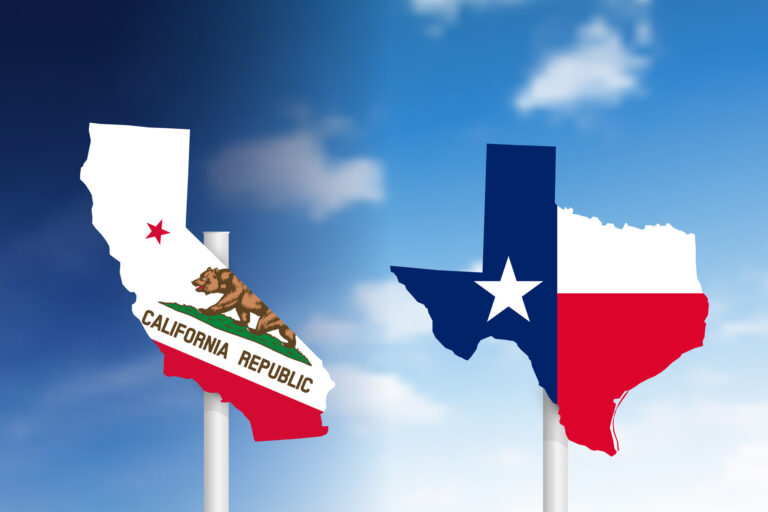
An Analysis of the California – Texas Re-Districting Fight (Civil Rights Brief #249)
Rodney Maggay
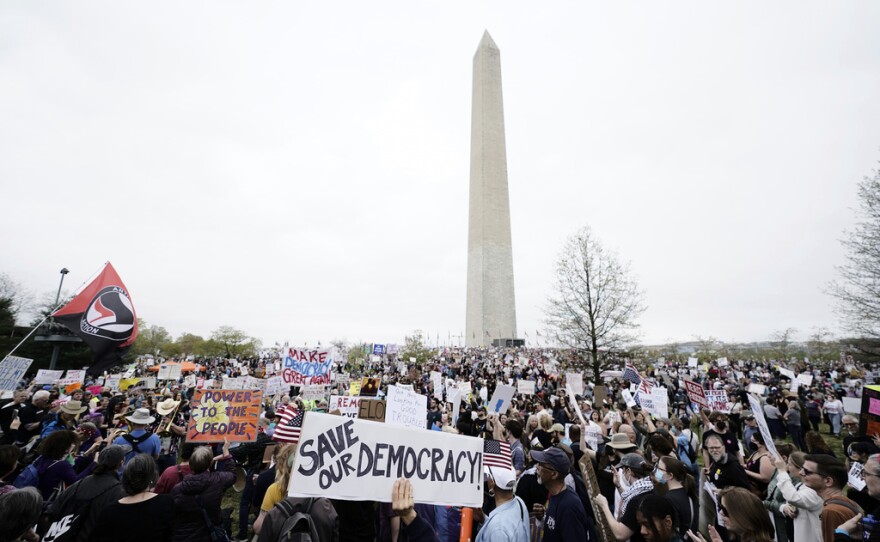
Can The Government Prosecute Protesters For Their Speech? (Civil Rights Policy Brief #248)

Elections & Politics
Ryan Dulaney
Is Trump Trying to Stop the Midterms? What the Record Shows (Elections & Politics Brief #207)
Election Day is 34 days away. The fight over who runs it is already in court.
Nate Iglehart
With NRSC v. FEC, SCOTUS Topples Another Bulwark Against Corruption (Elections & Politics Brief #206)
Nicholas Gordon
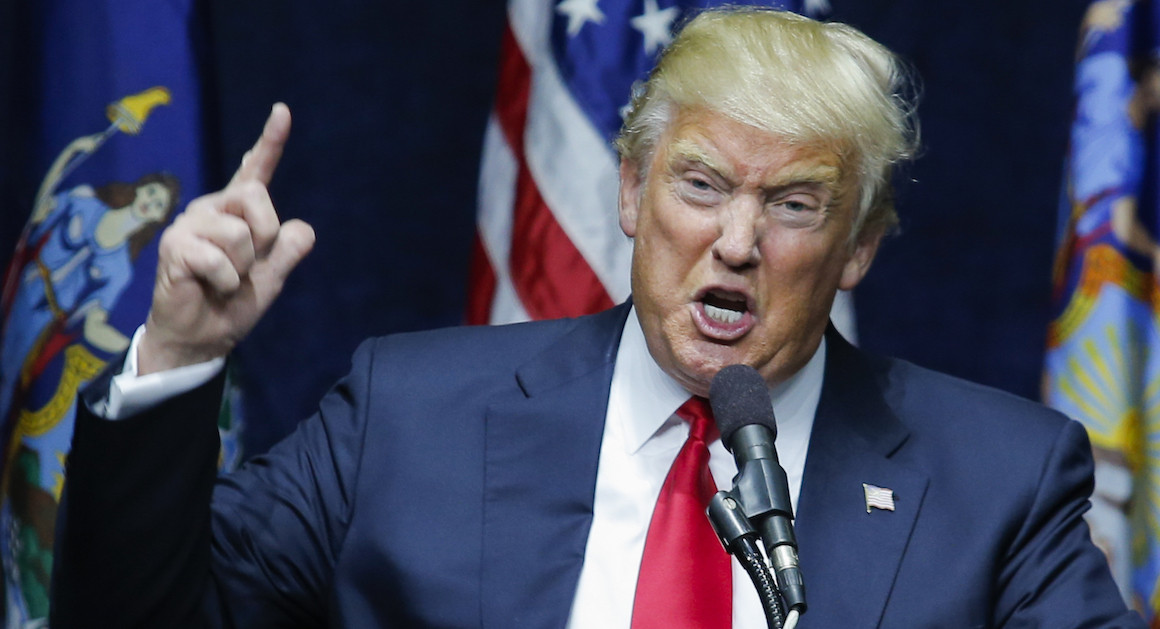
Trump’s Brand of Vicious Hatred Spreads to Others, and Reveals Insecurity and Weakness (Elections & Politics Brief #206)
Followers of President Donald Trump who imitate his cruel style of spitting out hateful insults beware: the style reveals your insecurity and weakness.
Mindy Spatt
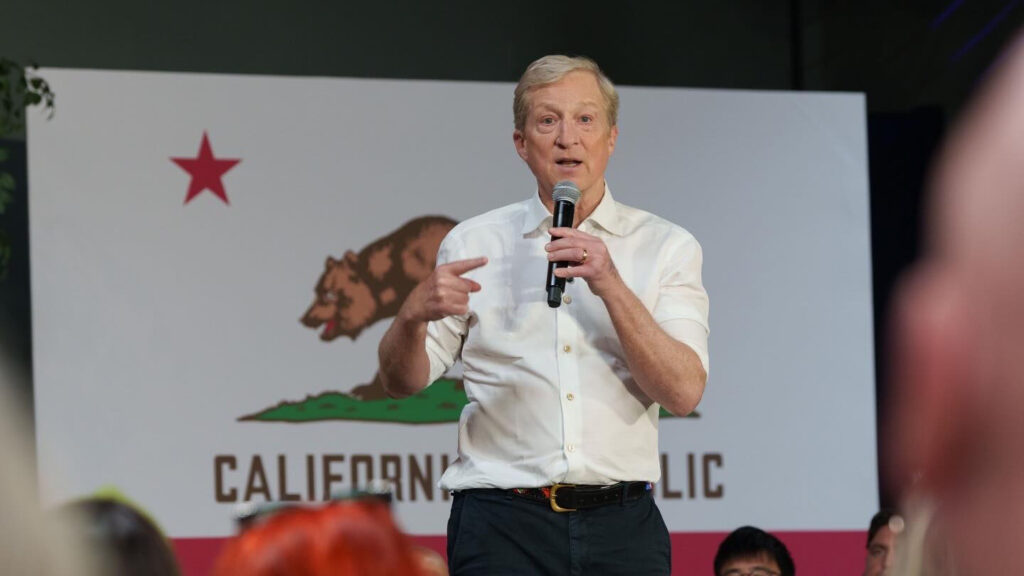
Tech Bros Fail to Advance in California Elections (Elections & Politics Policy Brief #205)
Haley Gabrielle Lloyd
Issues Affecting Democrat Messaging in the Upcoming Midterm Elections (Elections and Politics Brief #204)
Nicholas Gordon
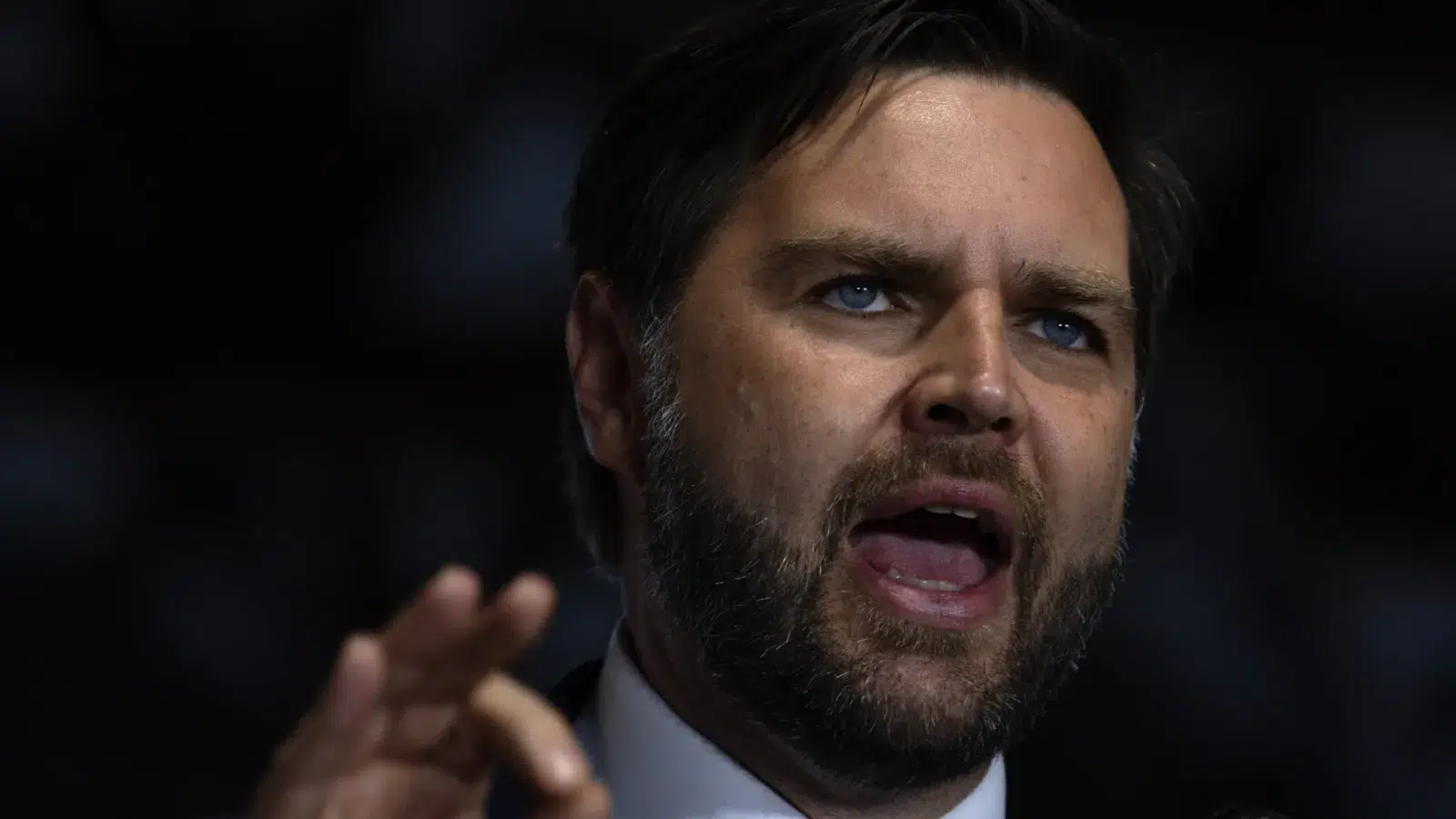
JD Vance Blames the Victims (Elections & Politics Policy Brief #203)
Inijah Quadri
Democracy on the Brink: Structural Suppression and the Fight for the 2026 Midterms (Elections & Politics Brief #202)
Nicholas Gordon

How low will he go? President Trump’s penchant for debasing himself undermines U.S. Credibility (Elections & Politics Brief #201)
Morgan Davidson

Funding Dissent in the Crosshairs: Trump’s War on the Soros Foundations (Elections & Politics Policy Brief #200)
Morgan Davidson

Unmasking the Target: Antifa & Trump’s Crackdown on Dissent (Elections & Politics Brief #199)

Foreign Policy

Foreign Policy
Understanding China’s Foreign Policy (Foreign Policy Brief #232)
Foreign policy is a collection of goals, strategies, and actions that a government uses to guide its relationships with other countries and international organizations. Such goals include national security, economic prosperity, global stability, and values promotion. China’s foreign policy seeks to advance all of these goals using the tools of diplomacy, economic measures, military power and soft power (sharing a nation’s culture, values, and media to build good will and influence opinions).
A Private Mercenary Force Takes Over In Haiti (Foreign Policy Brief #234)
A private American mercenary company is now running a large share of Haiti’s fight against its own gangs, operating drone strikes, raids, and intelligence gathering under a contract the government has never made public.
Week That Was: Global News in Review (Foreign Policy Brief #233)
The US war on Iran has now passed the six-month mark, negotiations have been abandoned and last week saw renewed fighting with Tehran attacking American bases across the Middle East. This came after a US strike was alleged to have hit a home hosting a wedding event, killing five people and wounding dozens. Washington also launched a new aggressive economic pressure campaign and blockade to coerce Iran into submission. Tehran on its part is now threatening military escalation and a wider war. The head of Iran’s National Security Council said recently that Tehran is planning to announce a maritime “exclusion zone” outside the Strait of Hormuz where it intends to stop vessels attempting to transit the waterway without Iranian permission. The conflict currently appears to have no likely end in sight.

Technology
Technology
Changing Attitudes Toward Israel and AIPAC (Technology Policy Brief #167)
As Israel’s attacks on the Palestinian people draw international condemnation, its support among US voters is shrinking, and with it the influence of the American Israel Public Affairs Committee (AIPAC), the wealthy and powerful pro-Israel lobbying organization. AIPAC’s backing, once crucial to candidates, is no longer a sure path to election and in some progressive districts is becoming a liability.
AI Protests Grow From Within (Technology Policy Brief #169)
As AI rapidly expands its impact over our lives, jobs, and politics, more and more people are raising alarms about its potential harms. In many cases, those speaking out about the danger are those who know the most: current and former workers in the industry.
Data Center Debates Pit Communities Against Billionaires (Technology Policy Brief #168)
According to a Gallup poll, the majority of people don’t want data centers built near their homes. Communities are taking their objections to the ballot box, and legislators are taking notice. State and local governments are enacting regulations and ending tax breaks. The data center industry is fighting back, spending millions to influence elections and promote tech friendly policies and candidates.

Environment
Environment

The Summer of Wildfires (Part 2: Europe) (Environmental Policy Brief #169)
Record-breaking heat and extreme fire activity made this year one of Europe’s worst wildfire seasons in recent history. 1840 fires have burned over 634,473 hectares in the EU so far, more than double the average of the last 20 years, leading to thousands of evacuations across the continent and at least 14 deaths.
Trump Reduces Amount of Protected Land at Utah National Monuments (Environmental Policy Brief #168)
On July 13, President Trump announced he is reducing the Bears Ears and Grand Staircase-Escalante National Monuments in Utah by 90%, which many argue is illegal without Congressional approval. This will leave 3 million acres unprotected and susceptible to uranium mining, oil drilling and more.
The Summer of Wildfires Part 1: The U.S. (Environmental Policy Brief #166)
So far this year, over 45,000 wildfires have burned more than 12 million acres across the U.S. and Canada, and it’s only July. The U.S. has seen more wildfires so far this year than any January to July in the past decade. The ever-worsening climate crisis increases the risk of wildfires, the length of wildfire season, and limits responders’ ability to contain the fires.

Education
Valerie Henderson
Texas Said ‘Fix Education’—and Gave Us Vouchers, Bibles, and Budget Cuts (Education Policy Brief #214)
Mindy Spatt
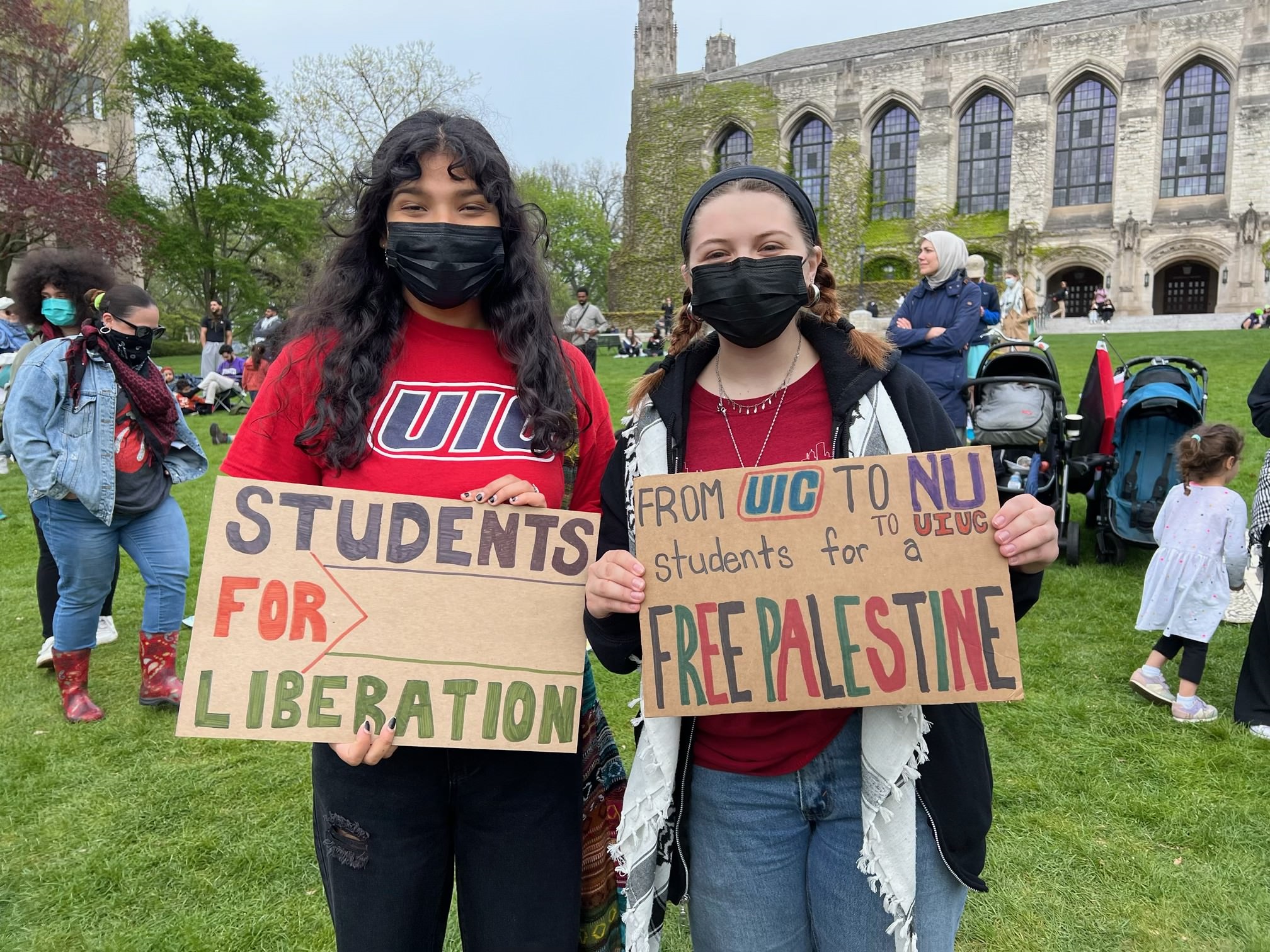
Antisemitism Is the Weapon, Teachers are the Target (Education Policy Brief #213)
Charlie Sweeney
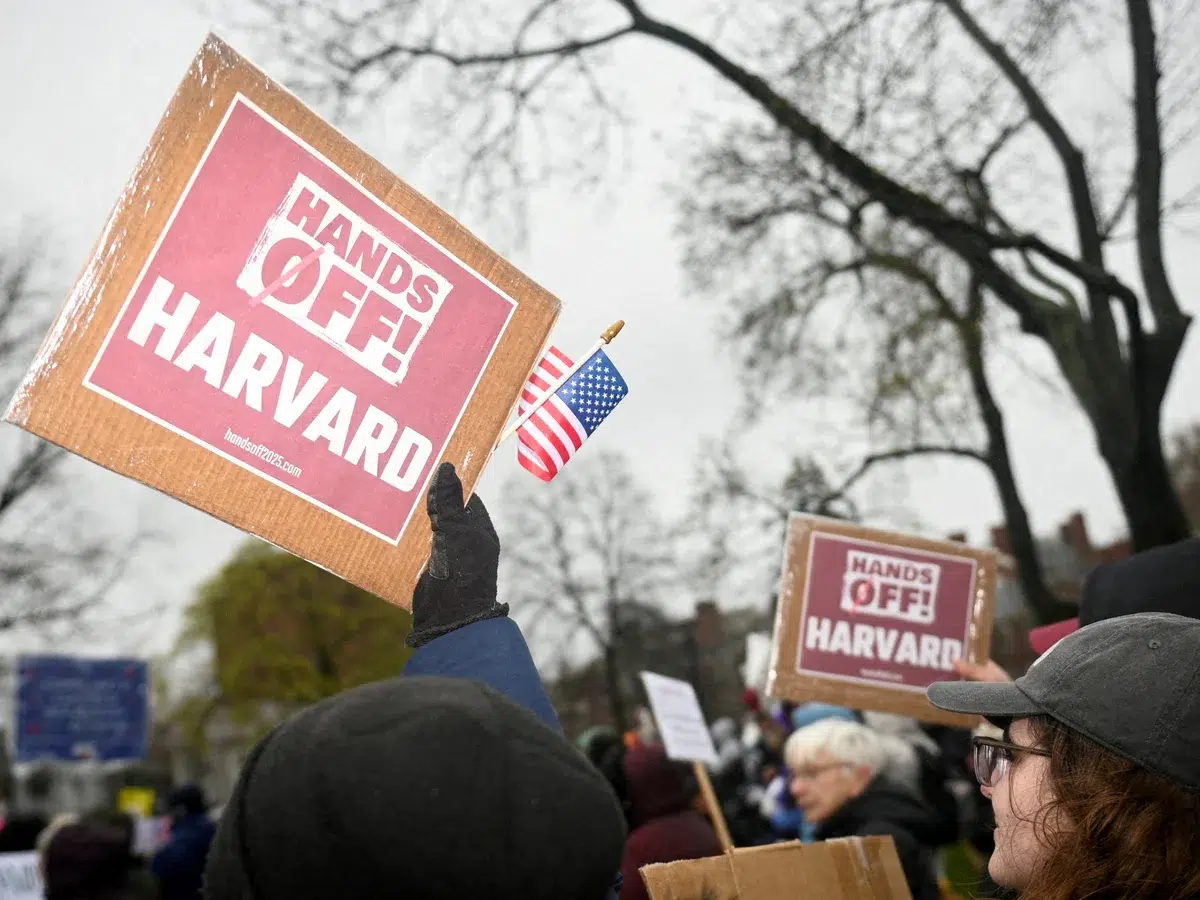
Trump’s War on Highest Ed: Shake-up or Shakedown? (Education Policy Brief #212)
Charlie Sweeney

How the Trump Administration Shook Up Education — and What It Means for Students with Disabilities (Education Policy Brief #211)
Nicholas Gordon
Trump’s Termination of U.S. Exchange Programs Weakens America at Home and Abroad
Katie Lever
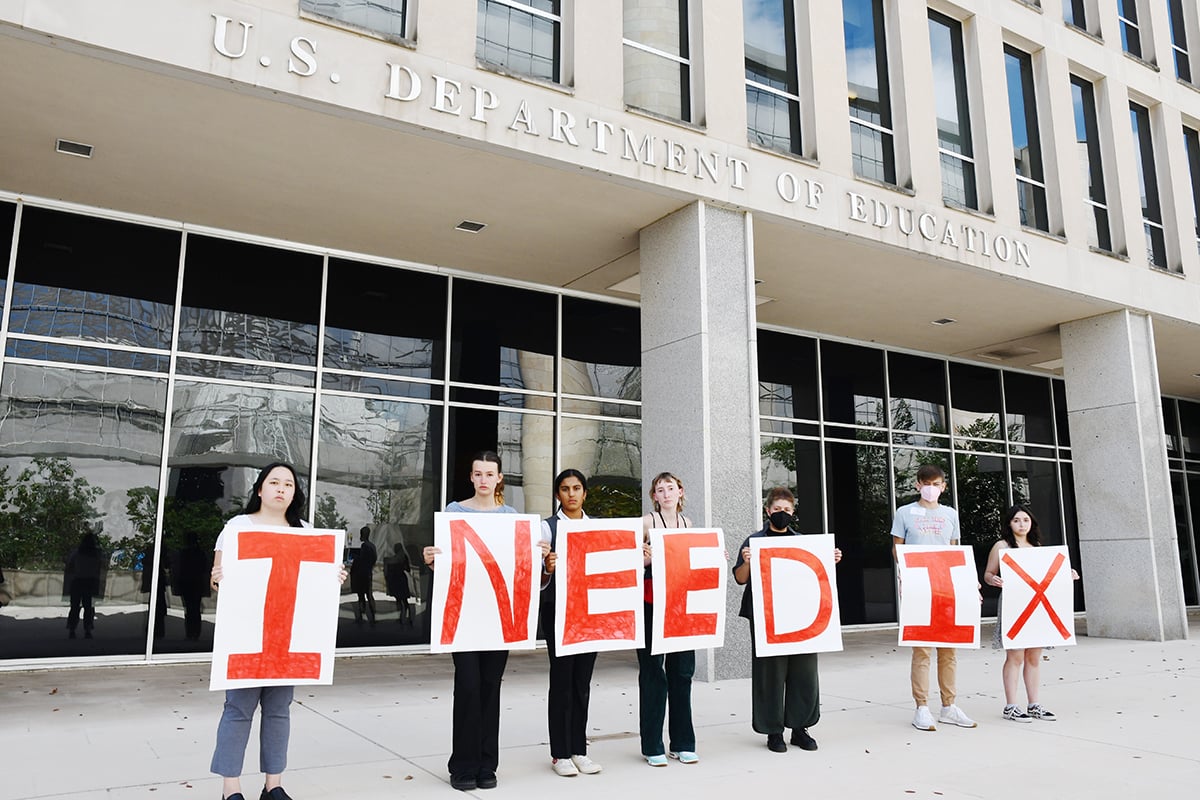
The Uncertain Future of the Department of Education and Title IX (Education Policy Brief #209)
Steve Piazza

The Downsizing of Student Learning Assessments (Education Policy Brief #208)
Yelena Korshunov
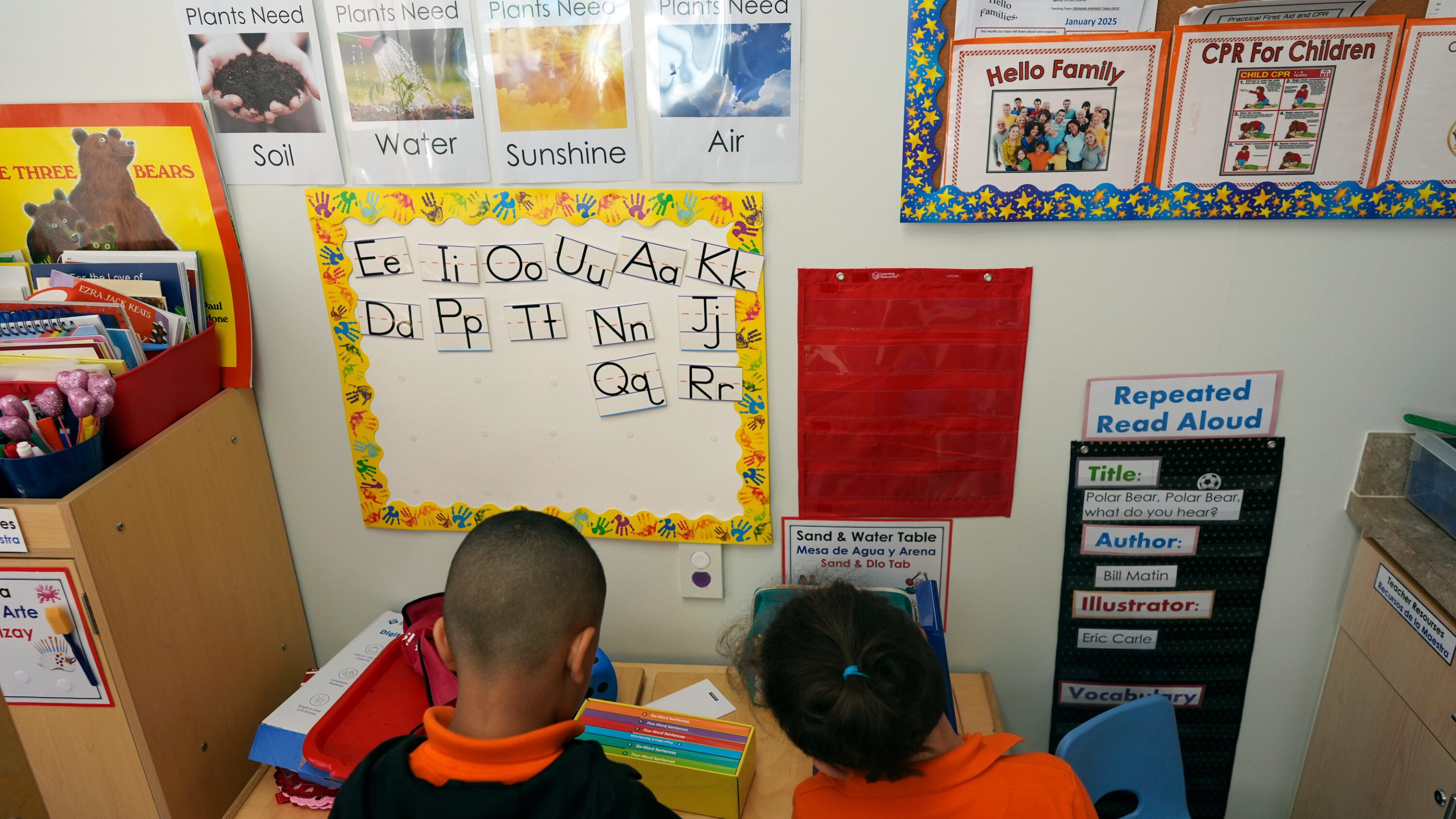
New Trump Rule Targets The Head Start Program (Education Policy Brief #206)
Steve Piazza

Current Efforts to Change State Education Curricula (Education Policy Brief #205)
Steve Piazza

Project 2025 and Federal Influence Over K-12 Curricula (Education Policy Brief #204)
Naja Barnes

The Future of Student Loans in Trump’s Presidency (Education Policy Brief #203)
Valerie Henderson

The Trump Administration and the University Communities: Part 1, Funding Suspension
Valerie Henderson

The Trump Administration and University Communities: Part II
Valerie Henderson

Understanding What the U.S. Department of Education Did
Damian DeSola

MAGA Against College: A Fight for America’s Minds

Health & Gender
Health & Gender

A Proposed Billionaire Tax Divides Democrats in California (Health & Gender Policy Brief #185)
A proposed billionaire tax authored by a powerful healthcare workers union could go to the voters in California if the sponsors can collect the requisite number of signatures to qualify for the ballot. Even before it has, powerful politicians and tech billionaires are divided, some supporting it, others organizing against it and willing to spend millions to do so.
Trump’s Policies to Increase Pronatalism in the U.S.
Pronatalism is the belief that our society’s duty is to encourage people to have more children (National Women’s Law Center). This belief is rooted in boosting the economy, embracing eugenics, and increasing white nationalism. Elon Musk is echoing this belief by stating that the answer to saving civilization is by having more children. Except that sentiment does not ring true for everyone. And it is not reflective in the Trump Administration’s policies and actions.
New U.S. Dietary Guidelines Signal Shift on Processed Foods, Meat and Dairy (Health & Gender Policy Brief #184)
On January 7, 2026, the U.S. federal government released the 2025–2030 Dietary Guidelines for Americans. These new guidelines show a shift in how U.S. health officials define healthy eating andaddress processed foods, protein consumption and dairy. The Guidelines were issued by the Department of Health and Human Services (HHS) and the Department of Agriculture (USDA). They are set to shape federal nutrition policy, school meal standards and how public health is messaged for the next five years.

Immigration
Immigration

Law and Order or Overreach? When Soldiers Become Police (Immigration Policy Brief #191)
As summer draws to an end, President Trump is once again utilizing federal military forces for law enforcement, this time in the nation’s capital. In California, Trump cited immigration protests for the use of the National Guard & ultimately the deployment of U.S. Marines. Now we see the President citing crime & the inability of D.C. Democrats to stop it. President Trump’s coast-to-coast use of federal military force in Los Angeles and Washington, D.C. during 2025 highlights the growing tensions between public safety, constitutional boundaries, and presidential power, raising critical questions about the future of American democracy and civil-military relations.
Quantity Over Justice: The Coming ICE Expansion (Immigration Policy Brief #190)
If you have been following the news surrounding Trump’s so-called “Big Beautiful Bill,” one of the provisions you would see is the $170 billion for immigration enforcement & border security. Of this $170 billion, approximately $75 billion represents an increase in funding to ICE, making it the highest-funded law enforcement branch of the federal government. The funding for ICE is intended to build more detention centers, aid in retention through bonuses, & expand the total number of personnel.
It Is Not an Invasion: How Undocumented People Got Here, Where They Live, & Why They Stay (Immigration Policy Brief #145)
According to estimates from Pew & the American Community Survey, there are between 10.5 & 11 million undocumented people living in the United States. For perspective, that’s fewer—by about 2 million—than the population of the L.A. metro area. On the one hand, that’s a large number; on the other, it’s far from an invasion in a country of 340 million people.

Economic Policy
Economic Policy

Trump’s Big Beautiful Bill Leaves Millions Without Groceries (Economic Policy Brief #93)
In July of 2025, President Trump signed the “One Big Beautiful Bill” (OBBBA) into law, setting into motion one of the most sweeping transformations to the American welfare state in modern history. At the center of this legislative overhaul is the Supplemental Nutrition Assistance Program (SNAP). As the nation’s preeminent anti-poverty initiative since 1964, SNAP provides an estimated 42 million Americans with vital funds for food.
Flying Blind — The Economic Sabotage of the Federal Shutdown (Economic Policy Brief #92)
While the full federal government reopened in early 2026, the United States remains in a state of economic volatility due to a lingering partial shutdown of the Department of Homeland Security (DHS), now entering its 67th day.
The Final Bill: The Economics, Ethics, and Ecology of American Death Care
Death in the United States has evolved from a community-centered rite into a sprawling, multi-billion-dollar commercial sector often dubbed the funeral industrial complex. With approximately three million Americans dying annually, a figure projected to rise as the baby boomer generation ages, the logistics of disposition have become a pressing socioeconomic challenge. For decades, the default American way of death involved embalming, heavy metal caskets, and concrete vaults, a practice that is historically an anomaly and environmentally taxing. However, economic pressures and shifting cultural attitudes have catalyzed a massive transition toward cremation. In 2024, the cremation rate surpassed 61 percent, with projections suggesting it will exceed 80 percent by 2045.
Making Democracy Great Again
"*" indicates required fields